 ultimate-guide
Balinese Decor for Modern Homes: A 2026 Guide
Table of Contents
- Why Balinese Decor Works in Modern Homes
- Natural Materials and Textures That Define the Look
- Teak Furniture for Modern Living Spaces
- How to Style Teak Furniture Without Overcrowding a Room
- Balinese Garden Design Ideas for Courtyards and Patios
- Lighting, Textiles and Decorative Accents
- Balinese Decor in Small Apartments and Rented Spaces
- Caring for Natural Materials: Teak, Rattan and Bamboo
- Frequently Asked Questions
Last Updated: October 2, 2026
Why Balinese Decor Works in Modern Homes
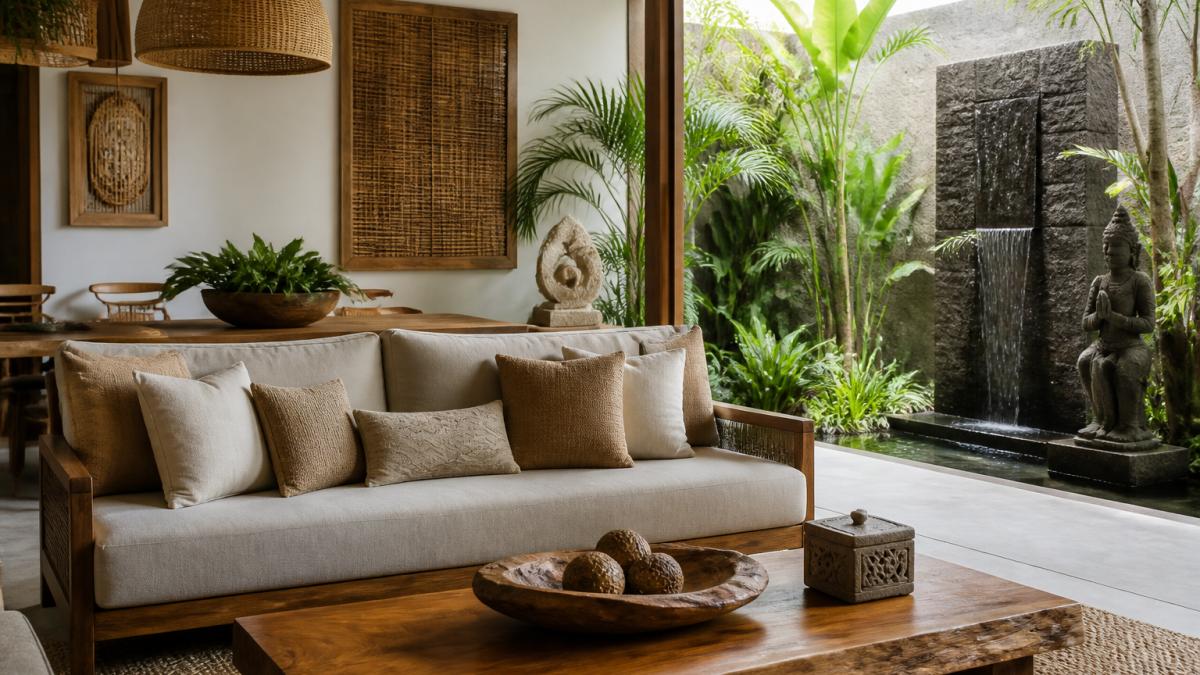
Balinese decor for modern homes works because it softens clean architectural lines with warm, natural materials rather than competing with them. This guide explains how to layer tropical texture into contemporary interiors and patios without turning your home into a theme park.
The 70/30 Rule: Modern Base, Balinese Accents
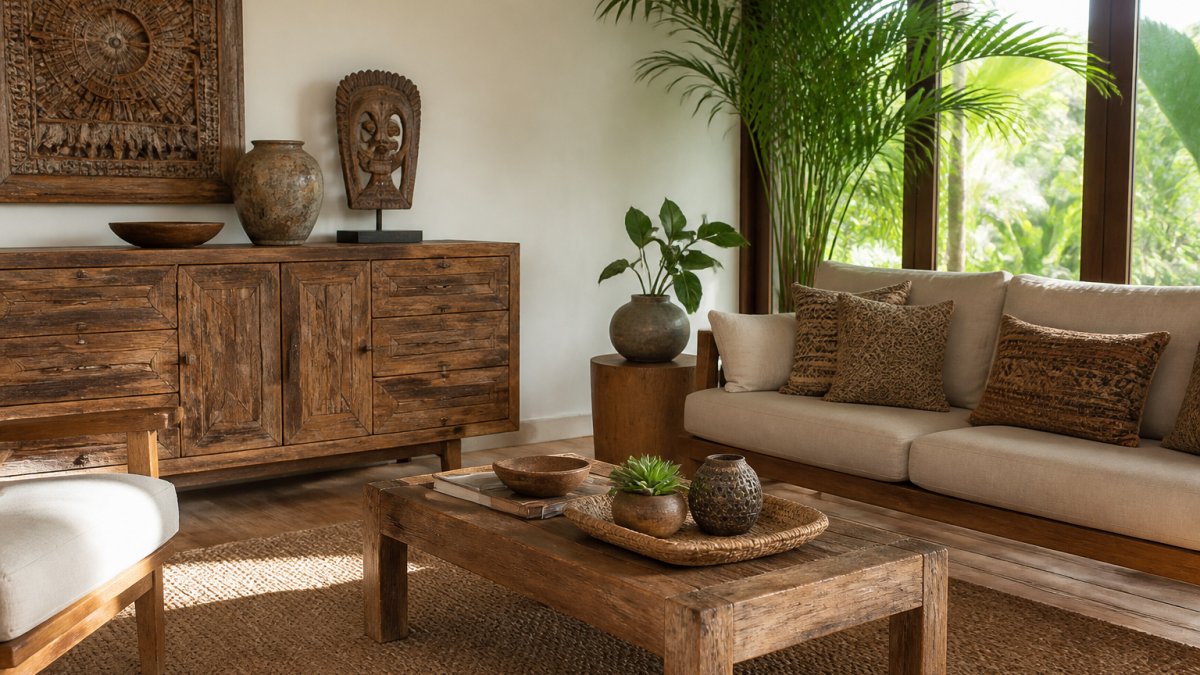
Treat roughly 70 per cent of the room as modern and neutral, and 30 per cent as Balinese accent. Keep walls, flooring, sofa and main lighting simple, then add tropical character through one or two hero pieces: a teak coffee table, a rattan pendant, a cluster of woven baskets.
Natural Materials and Textures That Define the Look
The materials do the heavy lifting in Balinese-inspired interiors. Teak, rattan, bamboo, woven natural fibre and stone all bring the tropical, organic feel that mass-produced furniture cannot replicate.
Teak Furniture for Modern Living Spaces
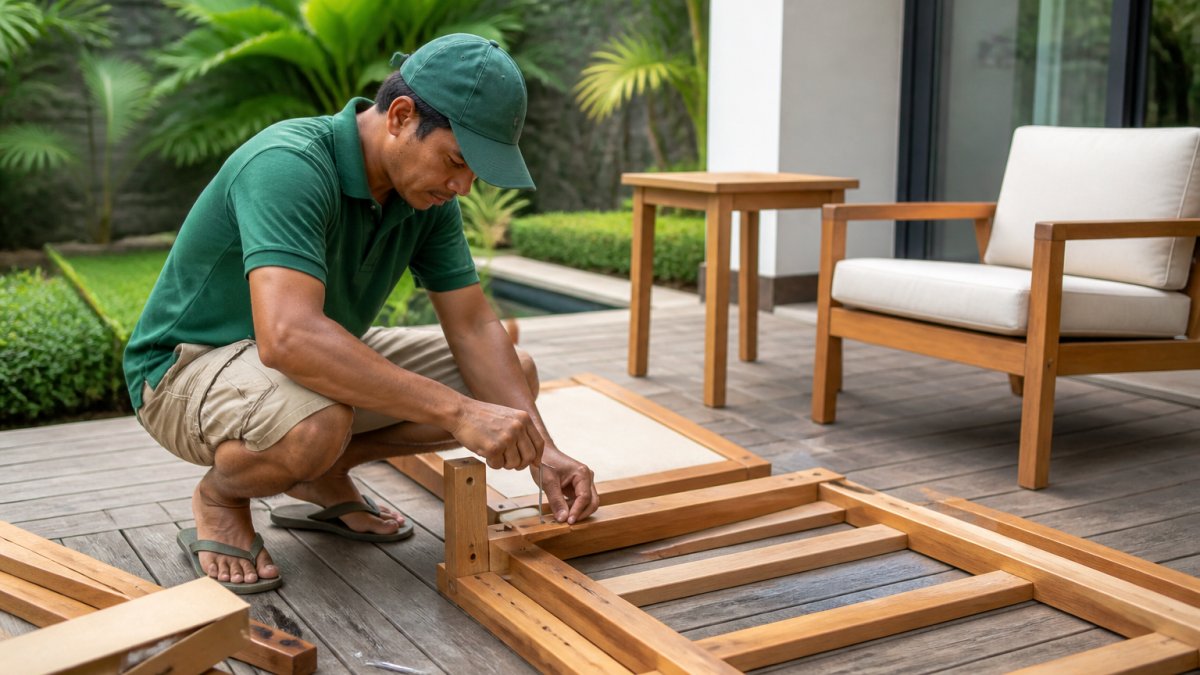
Teak is the workhorse of Balinese design, and it suits modern living because its clean grain works with minimalist and coastal schemes alike. A low-slung daybed or simple dining table reads as sculpture in a contemporary room.
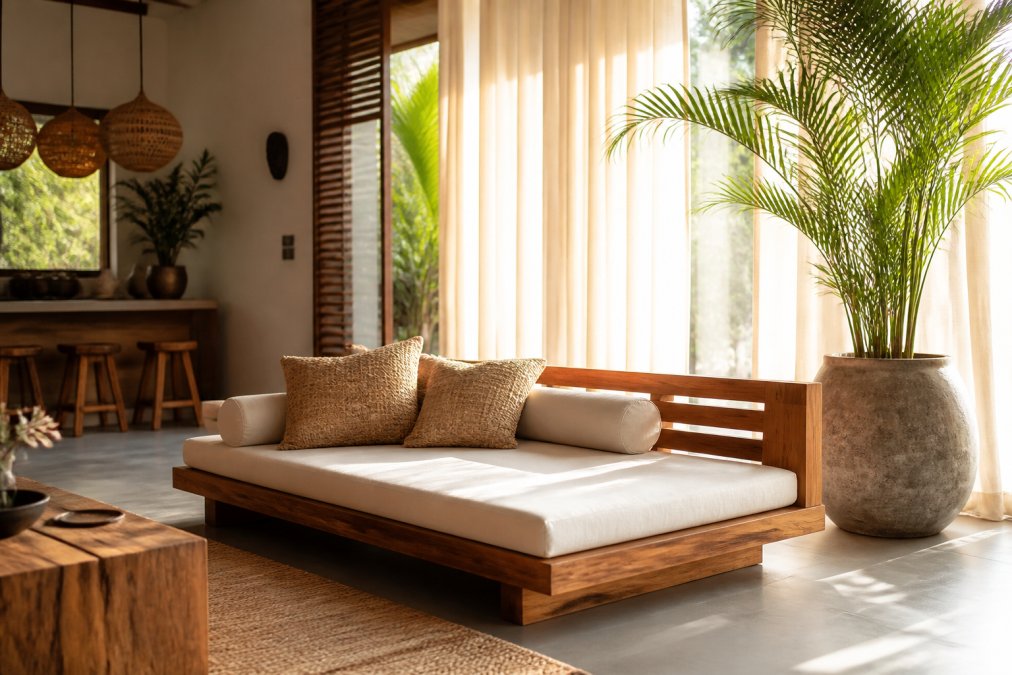
Sourcing Teak That Lasts
The difference between teak that lasts decades and teak that fails in two seasons comes down to grade and how it was grown. Look for sustainably sourced, plantation-grown teak, which matures faster and is more responsible than timber cut from older forests.
How to Style Teak Furniture Without Overcrowding a Room
Teak furniture is styled best when you leave space around it. Crowding a room is the fastest way to lose the calm, sanctuary feel Balinese design is known for.
Start with these steps:
- Choose one hero teak piece per zone, such as a dining table or a daybed.
- Leave at least a clear walkway around every large item.
- Group smaller accents in odd numbers for a relaxed, natural look.
- Repeat one material, like rattan, to tie the room together.
- Keep colour limited to earthy neutrals and one or two deeper tones.
Balinese Garden Design Ideas for Courtyards and Patios
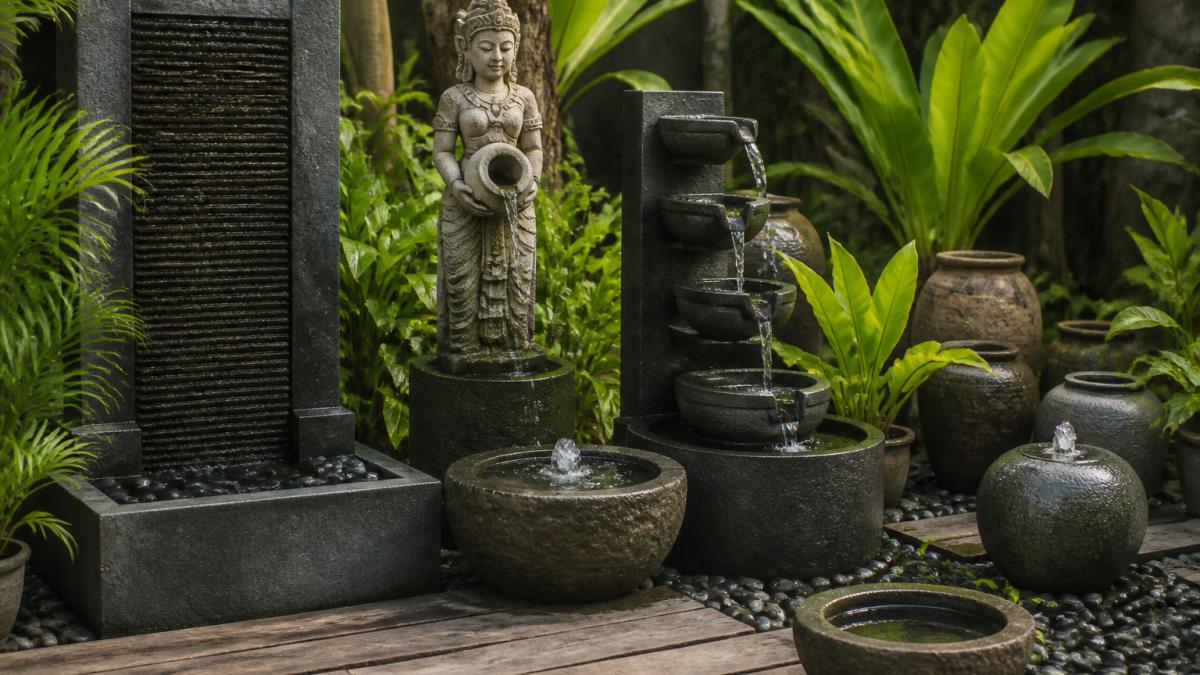
Balinese garden design ideas translate well to courtyards and patios because the style was built for outdoor living in a warm climate. The aim is a layered, green, private retreat.
Lighting, Textiles and Decorative Accents
Lighting and soft furnishings turn a styled room into a sanctuary. The goal is warm, low, ambient light rather than bright overhead glare, stop relying on a single ceiling fixture.
Layer Light in Three Tiers
Think of lighting in three tiers and make sure each one is represented:
- Ambient, the base wash of light. A dimmable ceiling fixture or a pair of wall sconces on a warm-white globe (around 2700K) sets the mood without flattening the room.
- Task, reading and working light. A table lamp or floor lamp with a woven shade throws a soft pool of light exactly where you need it.
- Accent, the decorative layer. Rattan and bamboo pendants, floor lanterns and a cluster of small candles or LED tealights at low level.
Textiles: Weight, Weave and Tone
Textiles follow the same logic as the lighting, layer them, and keep the palette quiet so texture does the talking.
- Cushions, mix at least two weaves. A chunky natural-fibre cushion (rattan, seagrass or banana fibre) next to a smooth linen or cotton one creates contrast. Odd numbers, three or five on a sofa, read as collected rather than matched.
- Throws, a lightweight cotton or linen throw in an earthy tone (clay, sand, mushroom, olive) draped over a teak daybed or armchair softens hard timber edges.
- Rugs, a flat-weave jute or sisal rug grounds a seating zone and adds another natural fibre underfoot. Layer a smaller woven rug on top for depth in larger rooms.
- Bedding and curtains, keep these in the same neutral family. Sheer linen curtains diffuse harsh afternoon sun and add a soft, filtered quality to the whole room.
Decorative Accents: Statues, Wall Art and Objects
- Statues, a carved timber or stone Buddha head, a Ganesha figure or a simple abstract form works as a focal point on a console, shelf or outdoor plinth. One per room is usually enough. Place it where it catches side light so the carving reads.
- Wall art, a large woven wall hanging, a carved timber panel or a framed batik textile adds texture without colour noise. Hang it at eye level and leave generous wall space around it.
- Objects, a cluster of three woven baskets, a stack of handcrafted ceramic bowls or a single oversized stone vessel on the floor. Group in odd numbers and vary the heights.
The through-line: lighting, textiles and accents should all feel like they came from the same calm, natural world, warm light, natural fibre, earthy tone, one considered object. That separates a Balinese-inspired room from a tropical-themed one.
Balinese Decor in Small Apartments and Rented Spaces
You can bring Balinese decor into a small apartment or rental without a single renovation. The style scales down well because it relies on portable accents rather than structural changes.
Focus on what you can take with you:
- A woven floor cushion or pouf that doubles as seating
- A rattan pendant or a plug-in lantern for instant ambient light
- Bamboo or reed screening to zone a balcony or hide a plain wall
- A small handcrafted water feature for a balcony corner
- Baskets, trays and planters to add natural fibre texture
Caring for Natural Materials: Teak, Rattan and Bamboo
Most Balinese decor guides stop at the styling. What they miss is that natural materials behave differently outside the tropics, a little knowledge about humidity, UV and seasonal swings is the difference between pieces that last a decade and pieces that fail in two summers.
Teak: The Low-Maintenance Workhorse
Teak is naturally weather-resistant thanks to its high oil content, which is why it has been the timber of choice for outdoor furniture for centuries. It needs little attention, but care depends on the look you want.
- If you like the silver-grey patina, do nothing. Untreated teak outdoors will fade to a soft silver-grey over roughly 6-12 months of sun exposure. This is a natural process, not damage, and many people prefer it.
- If you want to keep the golden tone, clean the surface with a soft brush and mild soapy water, let it dry fully, then apply a dedicated teak oil or sealer once or twice a year. Apply in thin coats and wipe off the excess; a thick coat turns sticky and attracts dust.
- Indoors, a dry dust and an occasional wipe with a barely damp cloth is usually enough. Avoid silicone-based polishes, which build up and dull the grain.
Rattan and Woven Fibre: Keep Them Dry
Rattan, seagrass, banana fibre and similar woven materials are the most vulnerable to a non-tropical climate, they hate sustained damp and fade under strong UV.
- Outdoors, bring cushions, poufs and light woven furniture under cover when rain is forecast, and store them in a dry shed or garage over the wetter months. Damp fibre loses shape, can grow mould and becomes brittle once it dries out.
- Sun exposure, prolonged direct sun will bleach colour and dry out the natural oils in the fibre. A covered alfresco area or a UV-resistant sealer helps. Re-oil rattan lightly once a year with a purpose-made rattan oil if it starts to feel dry.
- Cleaning, vacuum with a soft brush attachment, then wipe with a barely damp cloth. Never soak woven furniture. If mould appears, treat it promptly with a diluted white vinegar solution, then dry thoroughly in the shade (not direct sun, which can warp the weave).
Bamboo Panels and Screening: Check the Fixings
Bamboo screening and panels are popular for privacy and texture, but need more attention than people expect.
- Wipe down panels every few months with a damp cloth to remove dust and pollen, which trap moisture against the canes.
- Check the fixings, wire, ties and brackets, at the start of each season. Loose fixings let panels rattle and rub, which wears the canes.
- Seal the cut ends if you trim panels, as exposed ends absorb water fastest.
- Consider a bamboo sealer if panels face direct weather. An annual coat extends their life noticeably.
A Simple Seasonal Routine
- Start of the warm season, clean and oil teak if you want to keep the golden tone; check bamboo fixings; re-oil rattan if it feels dry.
- Start of the cool or wet season, store woven cushions and light furniture under cover; give bamboo a wipe-down; move anything that cannot be stored away from direct weather.
If you are unsure how a piece should be cared for, ask before you buy.
Frequently Asked Questions
How do I incorporate Balinese decor into a modern home without it looking cluttered?
Work to a 70/30 split: keep roughly 70 per cent of the room in a calm modern base of neutral walls, simple furniture lines and uncluttered surfaces, then layer Balinese pieces into the remaining 30 per cent. One sculptural teak daybed, a pair of woven baskets and a single carved panel do more than a room full of small ornaments. Group accents in odd numbers, leave breathing space around each piece, and let natural materials like rattan and bamboo carry the texture instead of pattern.
What materials are essential for an authentic Balinese aesthetic?
Teak, rattan, bamboo and woven natural fibres do most of the work. Teak brings warmth and weathers well outdoors, rattan and bamboo add lightness and texture, and handwoven textiles in earthy tones soften harder surfaces. Stone or timber water features and a few handcrafted decorative pieces finish the look. The key is contrast: pair these organic, handcrafted materials against plain modern surfaces so the natural grain and weave stand out rather than competing with busy finishes.
How much maintenance does teak furniture actually need?
Less than most people expect. Left untreated, teak weathers to a soft silver-grey, which suits a relaxed tropical look and needs nothing more than an occasional clean with mild soapy water. If you want to keep the golden honey tone, apply a teak oil or sealer once or twice a year, ideally before summer. Indoors, dust and a damp cloth are usually enough. Cover or move pieces during prolonged wet spells to slow surface marking and keep joints sound.
Can Balinese decor work in a small apartment or a downsized home?
Yes, and it often suits compact spaces better than heavy traditional furniture. Choose low, multi-purpose pieces such as a teak bench that doubles as a coffee table or a slim console, and use vertical interest like a bamboo screen or hanging woven planter to add the tropical feel without eating floor space. Stick to two or three larger accents rather than many small ones, keep the colour palette to neutrals and earth tones, and pick pieces you can move easily if you relocate.
Bringing a calm, tropical feel into a modern home comes down to choosing well-made natural pieces and giving them room to breathe. Zenteak helps with handcrafted teak furniture, bamboo panels and water features that are sustainably sourced and built to last, so your space stays serene for years. Browse the collection to find durable, ethically made pieces that suit both indoor and outdoor living, and get started with Zenteak to create your own zen retreat.