 listicle
Balinese Style Garden Water Features: 7 Ideas
Table of Contents
- Balinese Style Garden Water Features: Creating Tranquil Outdoor Spaces
- Quick Comparison: Water Feature Types and Styles
- 1. Stone Water Bowls and Carved Sphere Features
- 2. Tiered Fountains and Cascading Waterfalls
- 3. Small Garden Water Features for Compact Spaces
- Balinese Garden Ideas: Design Principles and Placement
- Garden Water Feature Maintenance: Keeping Your Feature Clean and Functional
- Installation, Plumbing, and Electrical Considerations
- Frequently Asked Questions
Last Updated: October 6, 2026
Balinese Style Garden Water Features: Creating Tranquil Outdoor Spaces
A well-designed balinese style garden water feature transforms an ordinary outdoor space into a sanctuary of calm. Whether you're drawn to cascading water, carved stone, or their meditative quality, balinese style garden water features engage multiple senses whilst anchoring your entire landscape.
Water features soften hard edges, introduce movement and sound, and create an immediate sense of retreat, even in a modest suburban garden. But choosing the right balinese style garden water feature means understanding your space, your budget, and what will thrive where you live.
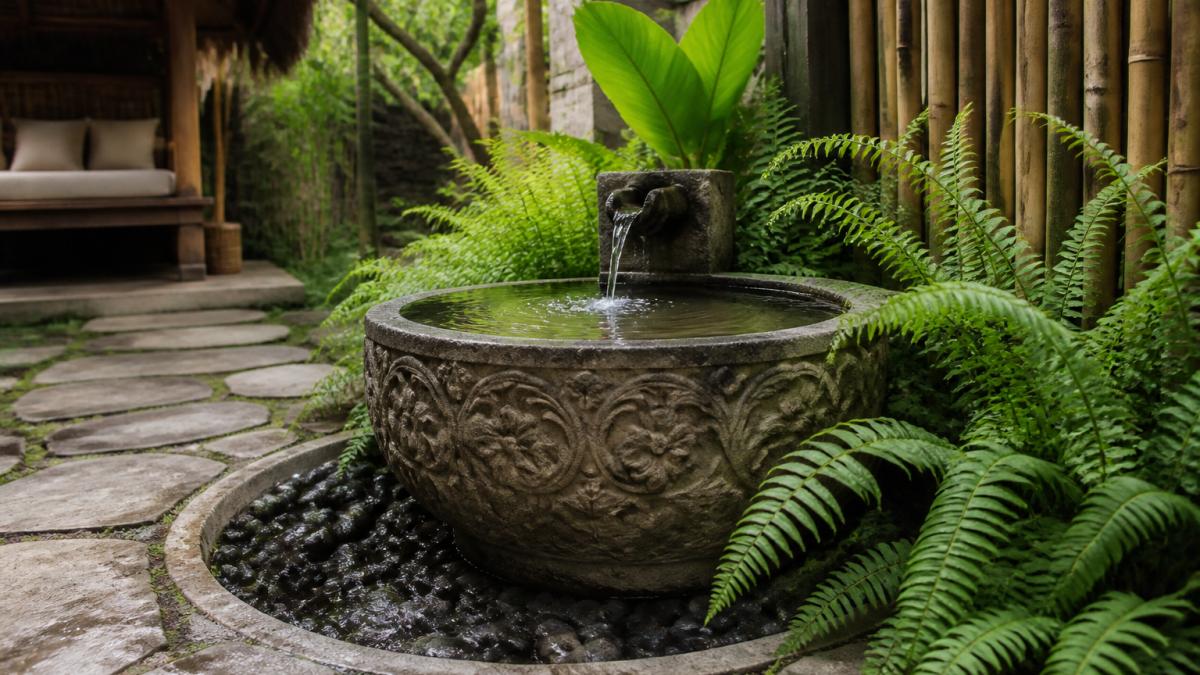
This guide covers seven proven balinese style garden water features, plus the practical details most guides skip: installation, maintenance, and climate suitability. We'll also explore design principles that separate an authentic Balinese garden from a random collection of decorative items.
Quick Comparison: Water Feature Types and Styles
| Feature Type | Best For | Key Characteristic | Maintenance Level |
|---|---|---|---|
| Stone Water Bowls | Small gardens, focal points | Carved detail, stationary | Low to moderate |
| Tiered Fountains | Medium gardens, sound element | Flowing water, height | Moderate |
| Raised Ponds | Larger spaces, fish or plants | Contained water system | Moderate to high |
| Cascading Waterfalls | Feature height, drama | Multi-level water flow | High |
| Buddha Wall Features | Compact spaces, cultural motif | Wall-mounted, sculptural | Low |
| Urn Features | Versatile placement | Classic form, elegant | Low to moderate |
| Small Shower Features | Functional and decorative | Dual purpose, spray action | Moderate |
1. Stone Water Bowls and Carved Sphere Features
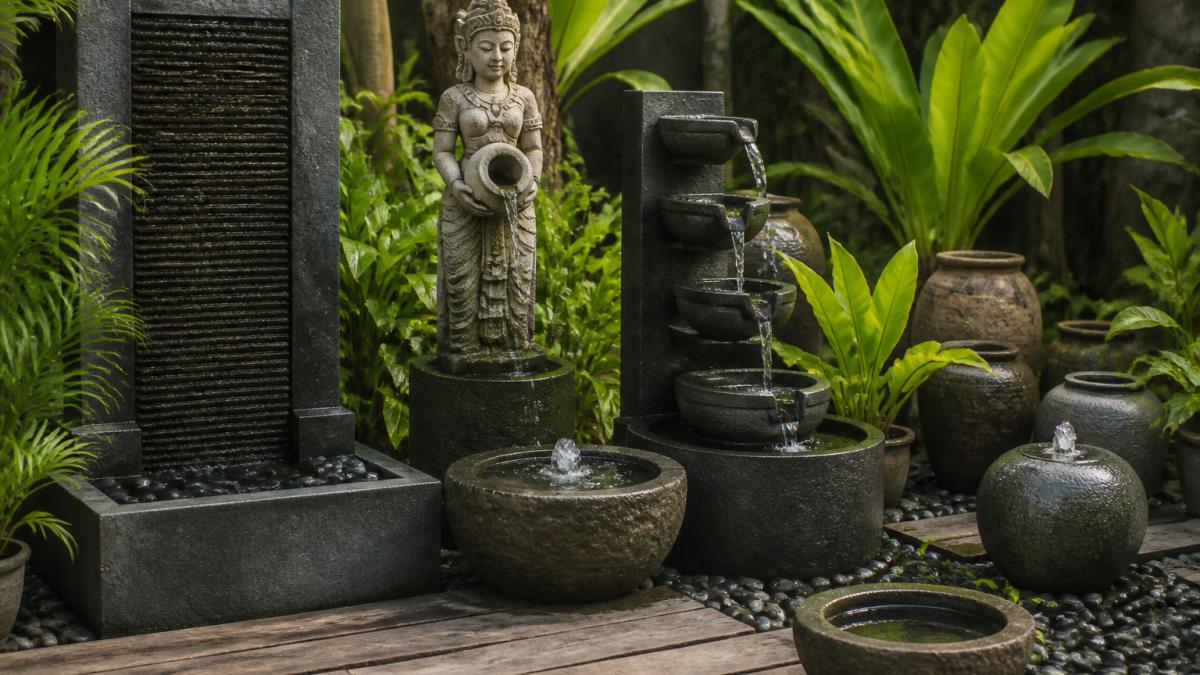
Stone water bowls represent the heart of traditional Balinese garden design. These carved pieces, often featuring intricate details or simple elegant forms, work as both sculpture and functional water feature. A bowl catches water from a small pump, overflowing gently to create soft movement without a cascading waterfall's sound.
Their versatility is the appeal: a carved stone water bowl fits a corner garden, patio, or larger landscape centrepiece equally well. Unlike tiered fountains that demand attention, a stone bowl invites quiet observation and becomes a natural meditation focal point.
Carved sphere features take this further. A granite or similar stone sphere sits in a shallow basin with water circulating beneath it, rotating slowly and catching light. These suit modern gardens where you want Balinese influence without obvious traditional ornamentation.
Installation reality: Both bowls and spheres require a submersible pump (typically 500-2000W depending on size), a basin or ground-level reservoir, and a small electrical connection. Most sit on existing patios or garden beds, with the pump hidden beneath the surface and a pipe feeding water to the top. You'll need either a recirculating system or a slight slope for overflow.
Maintenance note: Stone bowls need regular cleaning to prevent algae buildup, particularly in warm climates. A weekly brush and water change keeps them clear. Pump filters should be checked monthly.
2. Tiered Fountains and Cascading Waterfalls
Tiered fountains create visual drama through height and layered water flow. Water cascades from one level to the next, creating movement and sound, a significant advantage for masking traffic noise or creating an ambient soundscape.
A tiered fountain might feature three or four stone or concrete bowls, each slightly smaller than the one below. Water emerges from the top, collecting in each basin before spilling to the next, an effect both elegant and dynamic.
Cascading waterfalls take this further, often using natural stone or carved features to mimic a mountain stream. They create more substantial water flow and occupy more space, designed as a major garden feature rather than a subtle accent.
Sound quality matters. A gentle cascade produces a soft, rhythmic sound ideal for meditation gardens, while a dramatic waterfall creates louder white noise useful for privacy screening. Sound frequency affects how effectively it masks external noise, so consider your primary goal before committing to a style.
Installation considerations: Tiered fountains and waterfalls need stable foundations, as settling or shifting disrupts water flow. Most require a concrete base or reinforced ground preparation, electrical requirements of 2000-5000W depending on size, and proper drainage for overflow.
3. Small Garden Water Features for Compact Spaces
Not every garden has room for a cascading waterfall or large tiered fountain. Small garden water features, compact bowls, wall-mounted options, and urn-style features, deliver Balinese aesthetics in tight spaces.
A single carved stone bowl, 60-90 centimetres in diameter, occupies minimal footprint whilst creating genuine visual impact. Wall-mounted Buddha face features or small urn fountains transform a blank wall or corner into a focal point, working particularly well in contemporary gardens where you're layering Balinese elements rather than creating a fully immersive landscape.
The psychological effect is disproportionate to the physical size: a well-placed small feature draws attention and creates intentional design. A single quality piece often works better than multiple mediocre features scattered throughout the garden.
Spatial strategy: In compact gardens, think vertically. Wall-mounted features, tall urn fountains, or downward-cascading features maximise impact without consuming floor space. Consider sightlines from your main living areas and position the feature there, not hidden in a corner.
Zenteak's handcrafted water features are designed with compact spaces in mind. Each piece is proportioned to create presence without overwhelming a modest garden.
Balinese Garden Ideas: Design Principles and Placement
Creating an authentic balinese style garden water feature installation goes beyond choosing and installing a feature. Context matters: a beautiful carved stone bowl placed awkwardly in the middle of a lawn creates visual confusion rather than tranquility.
Principle 1: Hierarchy and Focal Points A Balinese garden typically features one primary focal point, often a water feature, with supporting elements drawing the eye toward it.
Principle 2: Layering Natural Materials Authentic Balinese design combines stone, water, plants, and wood. A feature placed against bare concrete or paving looks disconnected. Surround it with tropical plantings, ferns, bamboo, palms, and natural stone pathways.
Principle 3: Sound and Stillness Balinese gardens balance active and quiet elements. A cascading waterfall creates sound and movement; still ponds or bowls offer contemplative silence. Mixing these creates rhythm and prevents sensory monotony.
Principle 4: Sight Lines and Approach Position features so they're discovered rather than immediately obvious. A feature glimpsed through plantings or revealed as you round a corner creates more impact than something visible on entry.
Material authenticity: Natural stone, granite, basalt, carved limestone, carries weight and permanence concrete cannot replicate. Zenteak sources features directly from Bali, so each piece carries authentic craftsmanship.
Garden Water Feature Maintenance: Keeping Your Feature Clean and Functional
Water features require ongoing care. Understanding maintenance upfront keeps your investment looking beautiful for years.
Algae and water clarity: Algae growth is inevitable in warm climates with direct sunlight. Weekly water changes and regular brushing prevent heavy buildup. Some homeowners add aquatic plants such as water lilies, which naturally compete with algae; others use UV filters or biological additives, though these require careful dosing to avoid harming plants or wildlife.
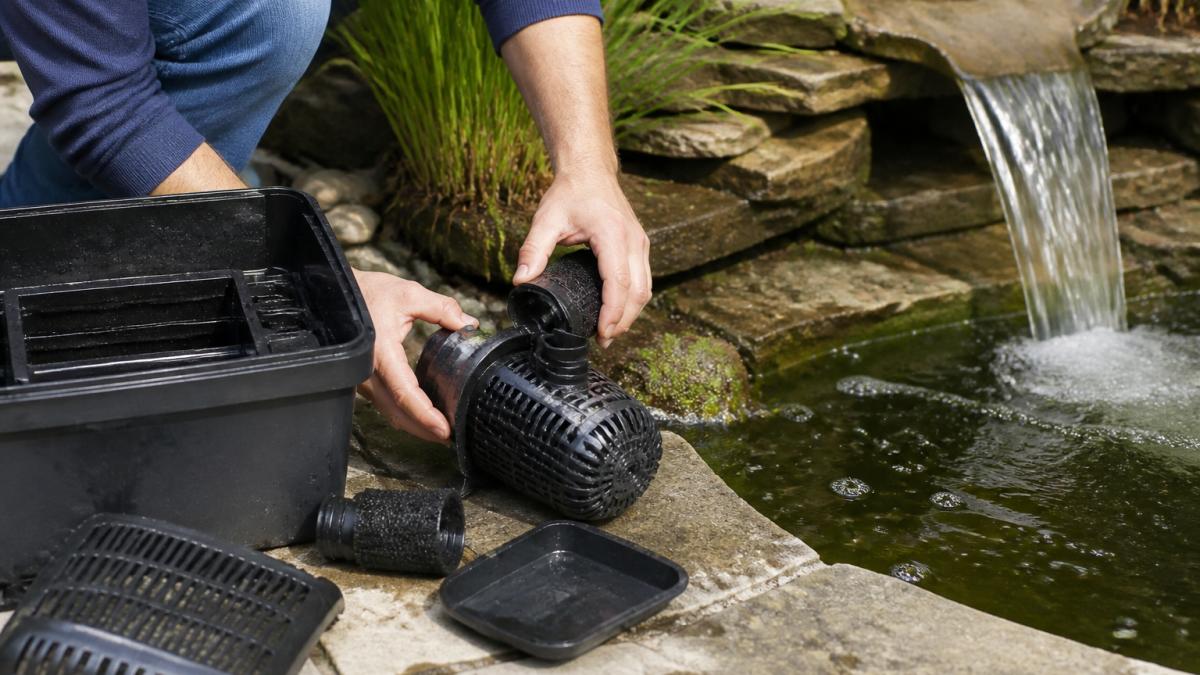
Pump maintenance: The pump is the heart of any feature. Check intake filters monthly and clean debris regularly. In hard water areas, mineral deposits reduce efficiency. Running the pump year-round (even at reduced winter flow) prevents sediment settling; in freezing climates, drain and store the pump over winter.
Seasonal considerations: In warmer regions, features run year-round with regular maintenance. In cooler climates, drain features before frost to prevent water expansion damage. Stone itself is frost-resistant, but standing water in pumps and pipes causes problems.
Cleaning routine: A soft brush removes algae without damaging carved details. Avoid harsh chemicals, which damage stone and harm plants or animals. Plain water and gentle brushing work well; for stubborn deposits, a mild vinegar solution (one part vinegar to three parts water) removes mineral buildup.
Water loss: Evaporation is normal, particularly in hot, dry climates, so top up weekly during summer. If loss seems excessive, check for leaks around the pump seal or basin. Most are minor and easily fixed with silicone sealant, but address them promptly.
Installation, Plumbing, and Electrical Considerations
Getting installation right determines whether your feature functions reliably for years or becomes a maintenance headache.
Site preparation: The ground must be level and stable, as settling or shifting disrupts water flow and can damage the feature.
Electrical safety: All outdoor water features require proper electrical installation. This means:
- A dedicated circuit with appropriate circuit breaker protection
- Weatherproof outlet rated for outdoor use (IP65 or higher)
- A safety switch (RCD) that cuts power if current leakage is detected
- Cables buried or protected from damage and foot traffic
In Australia, electrical work for outdoor installations should comply with relevant standards. If uncertain, hire a licensed electrician.
Plumbing basics: Most features use simple recirculating systems: water is pumped from a basin to the top, flows downward, and returns to the basin.
For larger features or ponds, you might add a biological filter (housing beneficial bacteria) or a UV filter (killing algae).
Noise considerations: Submersible pumps are quieter than external pumps. Position the pump away from seating areas and keep it fully submerged to reduce noise.
Overflow and drainage: Decide whether overflow water drains away (useful on a slope) or recirculates. Recirculating systems are more water-efficient but need a sealed basin; overflow systems are simpler but waste water. In drier climates, recirculating systems make more sense.
Zenteak can advise on installation requirements for specific features.
Creating a balinese style garden water feature transforms how you experience your outdoor space. These aren't mere decorations but functional elements introducing sound, movement, and visual focus to even modest gardens.
The difference between a feature that delights for years and one that becomes a chore comes down to understanding your space, choosing quality materials, and committing to basic upkeep.
Frequently Asked Questions
What are the most popular Balinese style water features for gardens?
The most sought-after Balinese style water features include carved stone bowls, tiered fountains, cascading waterfalls, and Buddha-face wall features. Stone water bowls offer a compact focal point, while tiered fountains create movement and sound. Cascading waterfalls provide a dramatic centrepiece, and wall-mounted features save ground space. Each style brings authentic Balinese aesthetics and the soothing sound of moving water to your garden sanctuary.
Are small garden water features suitable for compact outdoor spaces?
Yes, small garden water features work beautifully in compact spaces. Stone bowls, raised ponds, and tabletop fountains fit tight layouts without overwhelming the garden. Wall-mounted features and corner installations maximise space efficiency. The key is choosing a feature proportionate to your garden size, a small carved bowl suits a courtyard, while a modest raised pond fits a medium patio. Even in limited space, water features create a focal point and enhance tranquillity.
How do you maintain a garden water feature to prevent algae and keep it clean?
Regular maintenance keeps your garden water feature functional and attractive. Clean the water weekly, remove debris, and check the pump for blockages. Use a UV filter or algaecide to prevent algae growth, and change the water every 2-4 weeks depending on weather and feature size. In winter, drain features in frost-prone areas to prevent damage. For stone features, scrub surfaces gently with a soft brush and mild detergent. Proper circulation and shade help reduce algae formation.
What makes a Balinese stone water feature different from other garden fountains?
Balinese stone water features are distinguished by hand-carved natural stone, intricate cultural ornamentation, and traditional aesthetics. They often feature symbolic motifs like Buddha faces, dragons, or geometric patterns reflecting Balinese craftsmanship. These features use natural materials, typically stone or concrete, and emphasise harmony with tropical surroundings. The designs create a garden sanctuary that feels authentic and spiritually grounded, unlike mass-produced fountains that lack cultural depth and artisanal quality.
Do I need professional installation for a Balinese garden water feature?
Installation complexity depends on the feature type. Small tabletop bowls and self-contained features require minimal setup, just water and electricity. Larger fountains, ponds, and cascading waterfalls may need plumbing, electrical work, and proper drainage planning. If your feature requires ground excavation, pump installation, or electrical connections beyond standard outlets, professional installation ensures safety and longevity. Consult with the supplier about your specific feature's requirements before purchasing.